
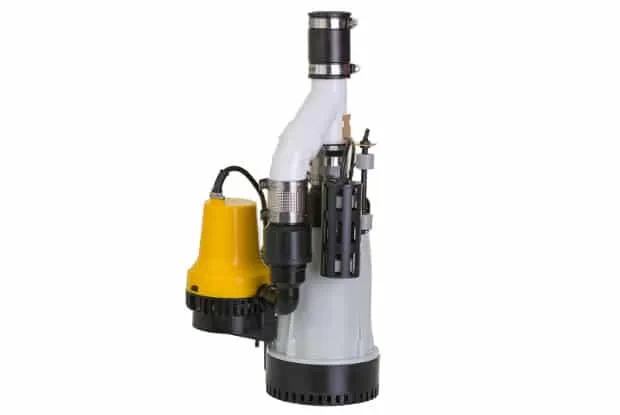
How to Install A Sump Pump
Posted on October 27, 2015
Are there areas on your property that collect water frequently? Perhaps your patio collects water as well. Many Texas homes are built with parts of the home below the water table and this may result in flooding and water damage. If you have a flat yard or one that slopes downward, it is likely that you will experience problems such as standing water, a soggy lawn or even flooding. Water from sprinklers can also build up and cause damage. If you are experiencing any of these issues, a sump pump can help dramatically.
A sump pump is a pump that is placed inside a water collecting tank built into the ground. Sump pumps are generally hardwired into a home’s electrical system and pump water away from the home to a safe place like a dry well or a municipal storm drain.
How Do Sump Pumps Work?
Sump pumps contain a sump basin which collects water around the foundation or in the basement of a home. Using either electricity or a pressurized water supply, it then sends the water away from the house by pumping it into a dry well or municipal storm drain.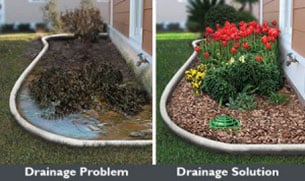
Types of Sump Pumps
• Pedestal: With this pump, the motor is mounted above the sump, making for easier service.
• Submersible: This is entirely mounted inside the sump, and this type of pump can be completely submersed. The pump is sealed to prevent short circuits.
HOW TO INSTALL
The first step to install a sump pump is to find the spot where the water collects. Next, did a hole for the sump (water collection bin). Make the hole approximately ten inches wider than the sump and then pour three inches of gravel into the hole. Place the sump into the hole. Then pour some more gavel around the sump.
Attach Sump Pump Adapters
- Glue the male adapter to the PVC discharge pipe, then place into the female adapter on the pump. Using a 1/4 inch drill, make a hole into the discharge pipe six inches above the pump. This is called a weep hole, which allows water to flow back into the pump when it's turned off to keep it primed.
Then install a check valve
- Attach the pumps electrical cord to the discharge pipe using wire ties. Install a check valve on the open end of the discharge pipe. Place the pump into the sump and prepare to run the water out of the house. Make sure you use a check valve that is made for vertical operation.
Channel Water Away From the House
- Use pressurized fittings and 1 1/2 inch PVC to channel water from the pump and away from the house.
Run PVC Through the Wall
- Install 'J' hooks to hang the PVC from the joists. Make a hole through the outside wall to run the PVC out. If you need to make a hole through a block wall, use a hammer to make the hole. Use a rotary hammer to break through brick.
Apply Sealant to the Hole
- Apply silicone sealant into the hole where the pipe comes out of the house. Complete the connections in order to run the water at least four feet away from the house.
Spread Out the Water Flow
- Attach a 1 1/2 inch by three inch increaser on the end of the pipe to spread out the water flow. Next, attach corrugated pipe to the PVC pipe. This will dispense the water even more.
Cover the Sump
- Place gravel around the corrugated pipe to keep it in place. Plug in the pump. Place the cover over the sump.
If you are having a drainage problem and are in need of a sump pump or french drain for your drainage system, call us today!